- Oct 6, 2025
Slow Travel in Shoulder Season: Tips for Fall & Early Spring in Italy
- Claudio Castaneda
- 0 comments
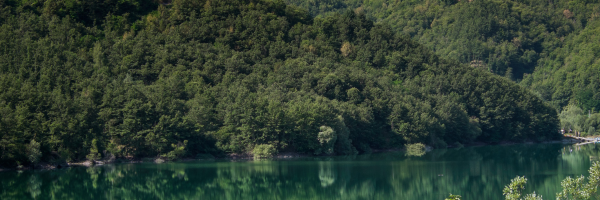
Why the quiet months are some of our favorites and how to make the most of them
There’s a certain kind of traveler who waits for the off-season.
Who doesn’t mind a little drizzle, a closed museum, or packing an extra layer.
Because they know: Italy is different in the quieter months. And often, it’s better.
What is Shoulder Season?
Shoulder season refers to the months just before and after peak tourist times, in Italy, that means:
Late September through early November
March through mid-May
It’s when the crowds thin, prices dip, and the rhythms of everyday life start to reappear. Markets feel local again. Trails are empty. The pace resets.
It’s also when you’ll catch the best seasonal shifts, ruffle festivals, chestnut harvests, spring blooms, and that magic October light.
Why We Love It
It’s calmer.
It’s more local. You’re not one of a thousand tourists. You’re just a guest passing through.
It’s a little unpredictable. Yes, you’ll need a jacket. But you’ll also get unexpected magic — like fog over the hills or a personal wine tasting with the winemaker.
It makes space for meaning. When you’re not rushing, you actually see things.

Tips for Traveling in Shoulder Season
1. Pack with layers and a little flexibility
Weather shifts quickly. Bring a rain jacket (pocket umbrella), scarf, and good shoes for walking. Leave space in your itinerary for slower mornings or last-minute changes. That’s part of the joy.
2. Embrace smaller towns
Big cities like Rome or Florence will have a slightly different tempo than the summer and smaller towns and regional parks will come alive with a variety of activities. These are great times for:
Chestnut or truffle festivals (look for sagre and castagnate in Tuscany, Liguria, and Piedmont)
Spring hiking in the Apennines or along the Ligurian coast
Farm visits and seasonal markets
3. Check seasonal hours; but ask anyway
Yes, some places may post reduced hours or look “closed.” But don’t assume. Ask gently or call ahead, you’ll be surprised how often you find a door open.
4. Make time for food
This is the season for comfort dishes:
Mushroom tagliatelle
Ribollita and polenta
Chestnut flour desserts
Spring greens and fresh pecorino
Every region has its specialties, and in shoulder season, you’ll often eat alongside locals instead of tourists.
5. Let weather shape your day
Rainy morning? Visit a bookstore or wine bar.
Chilly afternoon? Warm up at a café with a regional baked good.
Sunny break in the clouds? Change your plan and go walk a ridge or visit a garden.
Places We Love in Shoulder Season
Garfagnana (Tuscany) — for chestnut festivals and gold forests
Emilia-Romagna’s Apennines — quiet poetry villages, early spring skiing and snowshoeing
Ligurian hills — for misty coastal trails and olive oil tastings
Puglia (especially in March) — fewer tourists, almond blossoms, open skies
Final Thoughts
Italy is beautiful in any season. But in shoulder season, it becomes more itself, less performative, more grounded.
If you’ve ever wanted to wander without a map, eat slowly, talk to strangers, or stay somewhere with no real plans… this might be your time.
Planning a Trip?
Download our free travel planning template to start shaping your journey.
And keep an eye out for our seasonal itineraries for Garfagnana in October and Emilia-Romagna in March — coming soon!
Visit www.livicino.com
The best of Italy is closer than you think.